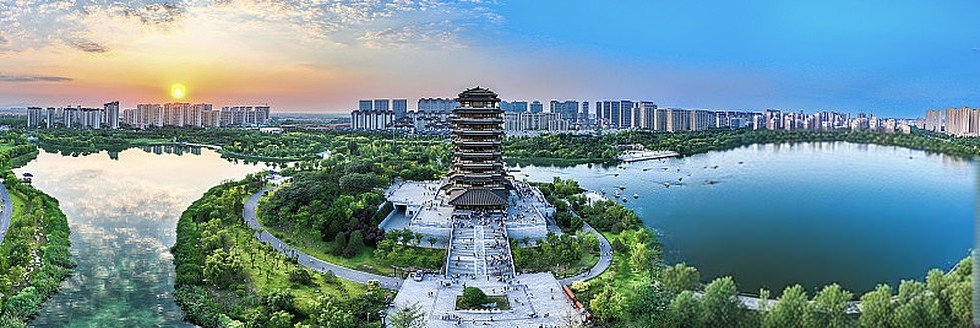
淄博位于山东中部,是齐文化的重要发祥地和国家历史文化名城,历史底蕴深厚。这里曾是齐国故都,孕育了稷下学宫、齐长城、临淄古城等,也承载着开放包容、务实创新的城市精神。淄博兼具山水人文与产业活力,陶琉文化、工业文明与烟火美食交相辉映,展现出鲁中名城的独特魅力。
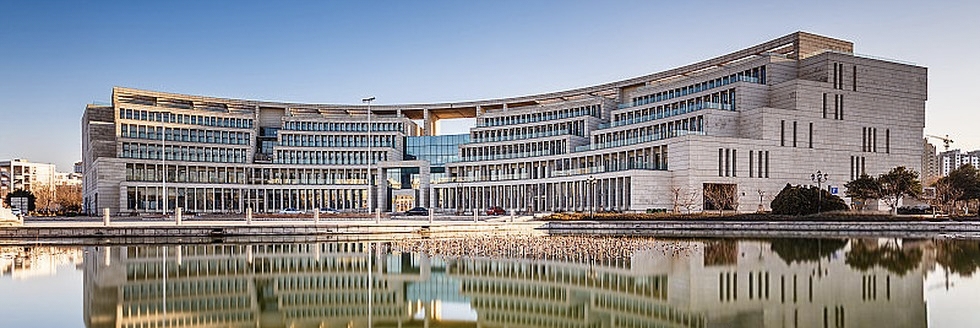
山东理工大学是一所以工科为核心,工学、理学、农学、经济学等多学科协调发展的省属重点教学研究型高校。学校坚持理工融合、产教协同与开放办学,深耕装备制造、现代农业装备、新能源新材料领域,在农业工程、机械工程、电气工程等学科形成鲜明特色优势,致力于培育兼具工程实践能力、创新意识与社会担当的高素质应用型创新人才。
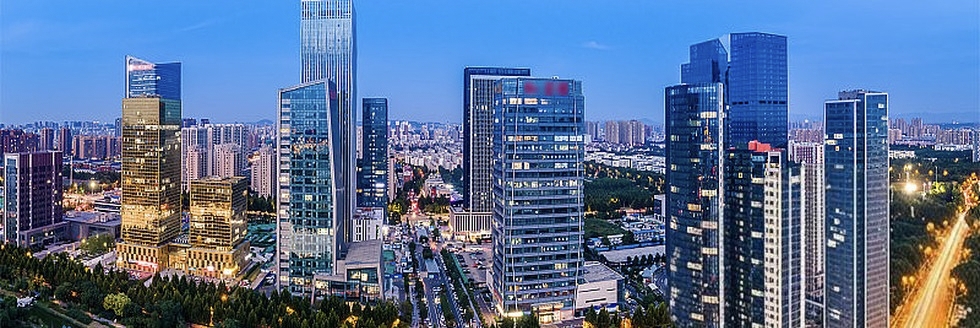
淄博是一座产业基础雄厚、科教资源丰富的现代化城市,形成了新材料、智能装备、医药健康、电子信息等特色产业集群。依托高校、科研院所和重点企业,城市不断推动产学研深度融合,完善科技成果转化和创新人才培养体系,为区域产业升级与高质量发展持续注入新动能。

淄博拥有深厚的齐文化底蕴,齐国故城遗址、齐文化博物院等共同展现了古齐文明的开放与智慧。周村古商城保存着规模宏大的明清商业街区,被誉为“天下第一村”。古街、商号、票号和传统民居相互映衬,让游客在游览中感受历史商埠的繁华气象与独特民俗文化。

作为历史文化与现代活力交融的城市,淄博拥有丰富多样的文旅资源。游客可以探访齐国故城和周村古商城,走进蒲松龄故居感受聊斋文化,也可以前往鲁山、原山、潭溪山、马踏湖等景区亲近自然。陶瓷、琉璃和传统工艺体验进一步丰富了城市旅行的文化内涵。

淄博美食兼具齐鲁风味与地方特色,其中淄博烧烤以小饼、烤肉和蘸料的独特组合广受欢迎。此外,博山菜、周村烧饼、豆腐箱、酥锅等传统美食也各具特色。这些味道既体现了淄博人的热情豪爽,也承载着城市悠久的饮食文化与市井生活记忆。
19th IWCFTA
International Workshop on Complex-systems for Future Technologies and Applications
Zibo, China (6th - 8th November, 2026)

The 19th IWCFTA, Zibo, China, 6th - 8th November, 2026 <--Click To Enter(点击进入)
The International Workshop on Complex-systems for Future Technologies and Applications (IWCFTA) will be the successor of the formerly successfully series of International Workshop on Chaos-Fractals Theories and Applications. The new workshop will cover topics beyond Chaos and Fractal Theory to general complex systems which are abundant in modern society.
With the exploration and research of natural science, great progress has been made in the study of complex systems. Recently, represented by complex networks, chaos and fractal theory, nonlinear science provides new horizons and tools for the research in the fields of cryptography, signal processing, multimedia, communication systems, biology and economic systems. Adhering to the tenet of the previous eighteen conferences, the 19th IWCFTA aims to provide a high-level international forum for scientists, scholars, researchers and engineers at home and abroad to exchange and discuss the latest discoveries of complex systems theory and its applications in various fields, including informatics.
It will provide a high-level international forum for researchers and scholars to present the latest research results and discuss trends in complex systems and interdisciplinary scientific fields. The purpose of the conference is to discuss the most relevant theories and approaches to understanding, modelling, simulating, predicting, evaluating and mastering various Scientifical, Societal, Ecological, Biological and Engineered Complex Systems.